Figure Painting
Overview
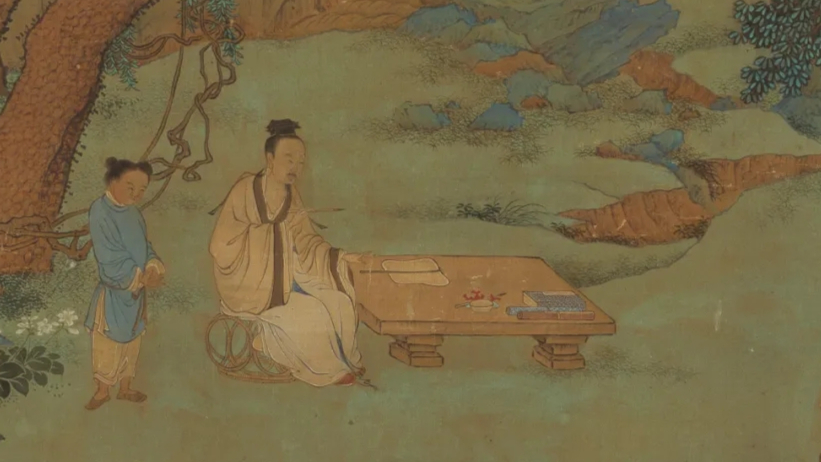
Figure painting, a significant genre of Chinese art, dates back to ancient times, evolving through various dynasties and incorporating diverse styles and philosophies. It has been a medium for expressing cultural values, social changes, and individual identities. This genre of painting focuses on the human figure and often conveys deep philosophical messages, historical narratives, and moral lessons.
Historical Development
Ancient Origins: Figure painting in China first emerged on pottery and in caves, later transitioning to silk and paper mediums. It reached its zenith during the Sui (581-618) and Tang (618-907) dynasties, becoming a primary form of educational art aimed at communicating high morality and ethics. Notable early examples include Figure, Dragon and Phoenix, a silk painting from the Warring States Period (475-221 BC), and Nyushi Zhen (Admonitions of the Instructress to the Court Ladies), a handscroll painting from between the fifth and seventh centuries AD.
Ming and Qing Dynasties: During the Ming (1368-1644) and Qing (1644-1911) dynasties, figure painting flourished as part of a rising middle-class demand for artworks portraying family life and cultural values. The genre was divided into themes such as ancestor worship, family harmony, and social customs. Ancestral portraiture became a significant aspect, capturing the likeness and virtues of ancestors as a means of moral education and cultural preservation.
Modern Influence and Evolution: The introduction of Western art and culture in the 19th and early 20th centuries brought new techniques and perspectives into Chinese figure painting. Ren Bonian, a pivotal figure of the "Shanghai painting school," modernized the genre by blending traditional Chinese styles with Western influences, incorporating elements from folk art and literature, and making art more accessible to the urban populace.
Key Artists and Contributions
Ren Bonian (1840-1896): Ren was a transitional figure who embraced Western art influences while maintaining the scholarly essence of traditional Chinese painting. His work significantly impacted subsequent generations of Chinese ink painters.
Xu Beihong (1895-1953): Known for his realistic approach, Xu played a critical role in modernizing Chinese painting. He emphasized the depiction of realistic figures and was an influential educator in the development of modern Chinese art.
Contemporary Artists: Artists like Xie Yousu and Xia Jingshan have continued to evolve figure painting. Xie Yousu gained international recognition with exhibitions abroad, and Xia Jingshan is renowned for his Buddhist figure paintings.
Philosophical and Cultural Significance
Xieyi Style: The xieyi style, characterized by expressive, free-form brushwork, embodies a philosophy of emphasizing freedom and individuality. Emerging in the third century, it gained prominence during the Ming and Qing dynasties, offering a more personal, expressive form of figure painting.
Cultural Narratives and Morality: Figure paintings often serve as visual narratives, illustrating stories from folklore, history, and classical literature. They offer moral lessons and reflect societal values, making them a crucial educational tool throughout Chinese history.
Exhibitions and Public Engagement
Exhibitions continue to play a vital role in showcasing the evolution and diversity of figure painting. Notable events include:
Prosperous and Peaceful at the China National Academy of Painting: This exhibition highlighted modern developments in ink figure painting, featuring 100 artists and emphasizing the genre's link to social and national progress.
Family Harmony at the Long Museum: Focusing on Ming and Qing figure paintings, this exhibit explored the role of art in preserving cultural traditions and values.
Elegant Retreat at the Palace Museum: This exhibition featured figure paintings from various historical periods, celebrating the secluded life and spiritual pursuits of ancient Chinese intelligentsia. Article reference1. Discover the rich tapestry of Chinese figure painting at Jilin exhibition. chinaservicesinfo.com. 20242. Guangdong exhibition highlights paintings by Shanghai artists since the 19th century. chinaservicesinfo.com. 20233. Hunan exhibit presents women’s role, image in ancient China. chinaservicesinfo.com. 20224. Figure painting exhibition commemorates pioneer. chinadaily.com.cn. 20215. Figure paintings reveal past family life and social beliefs. chinadaily.com.cn. 2021ExpandPhoto Gallery(6 pictures)CategoriesArtsTagChinese PaintingRelatedHaipaiCourt Ladies Preparing Newly Woven SilkCourt Ladies Adorning Their Hair with FlowersPu Xinyu (Puru)Catalogue1. Overview2. Historical Development3. Key Artists and Contributions4. Philosophical and Cultural Significance5. Exhibitions and Public Engagement- - - []








